

Emerging Trends in Education: Rebuilding Learning!
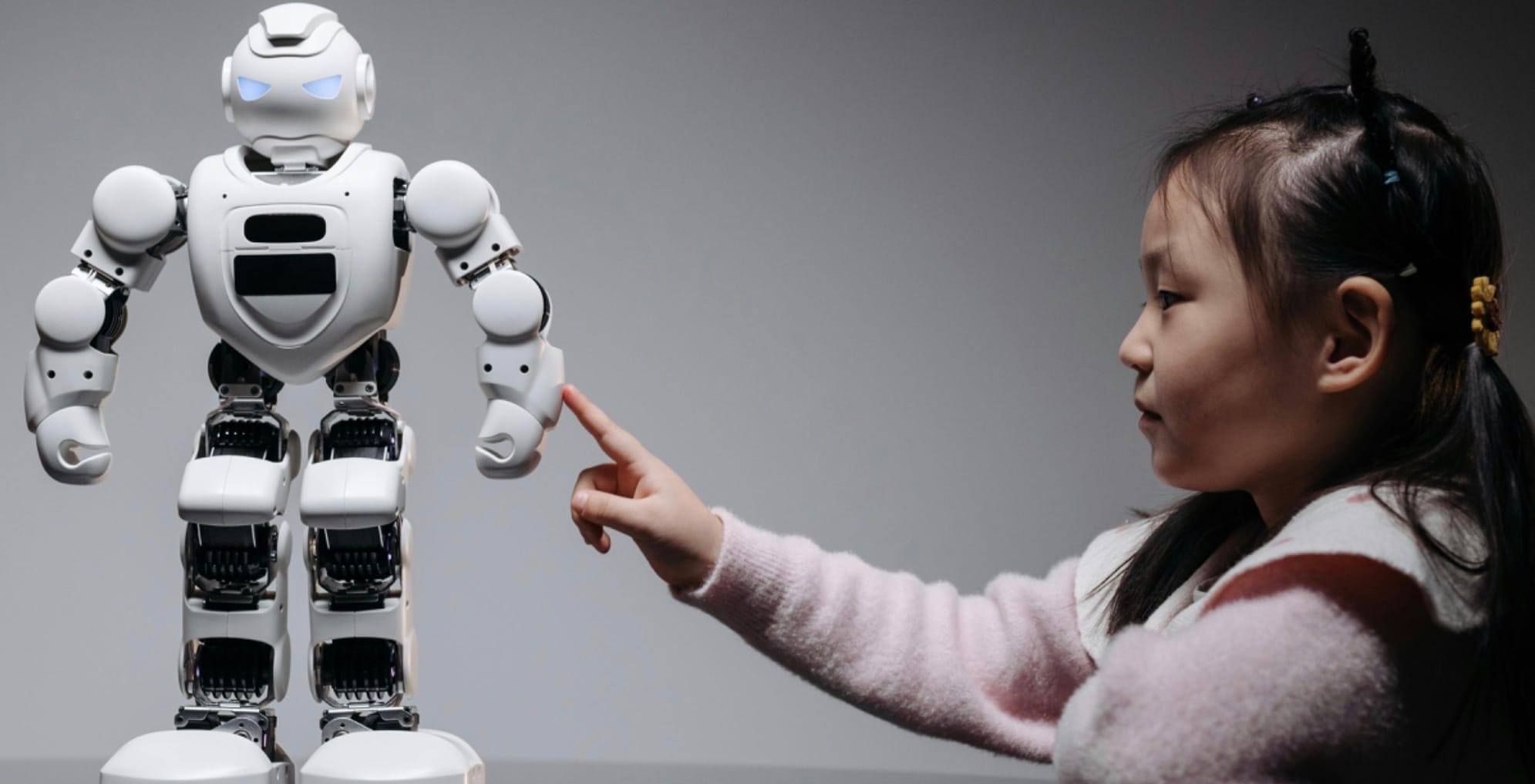
Education has always evolved alongside society. From traditional blackboards to digitally connected classrooms, the sector has continuously adapted to new technologies, economic needs, and changing expectations around learning. Today, this transformation is accelerating faster than ever before.
Modern education is being reshaped by artificial intelligence, shifting workforce demands, and the growing need for flexible, lifelong learning. These developments are not minor upgrades to existing systems; they are redefining how education is delivered, who it serves, and how success is measured.
EIL recognizes education as an emerging industry because of the significant changes taking place in both teaching methods and learning experiences. Schools are redesigning their approaches, while educational technology platforms and apps are playing an increasingly important role in supporting this transformation.
AI based Personalized Learning
One of the most important developments in education is the integration of artificial intelligence into learning environments. AI is no longer limited to experimentation; it is actively shaping classroom experiences through personalized instruction tailored to each learner’s pace, strengths, and areas for improvement.
Rather than relying on a uniform curriculum for all students, AI-driven educational systems can identify learning gaps, adjust difficulty levels in real time, and provide immediate feedback. Students are increasingly becoming active participants in their own learning journeys, engaging with technology as collaborators rather than passive recipients.
This marks a major shift from standardized teaching toward individualized learning pathways, a trend that is gaining attention across education systems worldwide.
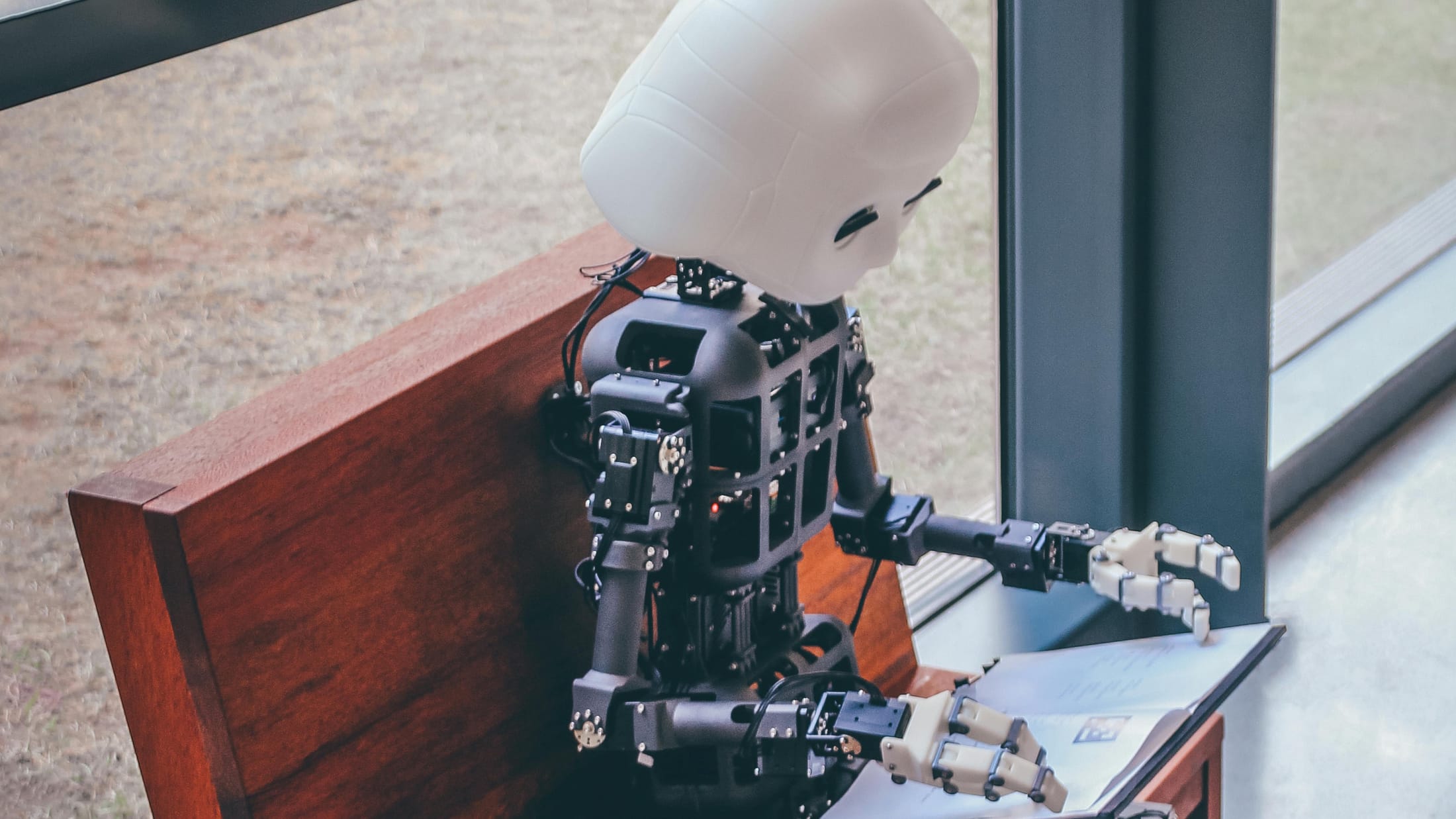
From Degrees to Skills and Employability
The value of education is increasingly being judged by practical outcomes rather than academic credentials alone. Institutions across the globe are redesigning curricula to better align with industry demands and future workforce needs.
Greater emphasis is now being placed on fields such as artificial intelligence, cybersecurity, renewable energy, vocational education, and technical training. Internships, project-based assignments, and real-world industry exposure are also becoming essential components of learning.
This transition reflects the rise of a skills-based economy, where adaptability and applied knowledge are considered just as important as formal degrees.
Experiential and Project-Based Learning
Gone are the days where students sat in traditional lecture-based classes. It is gradually giving way to more interactive and experience-driven approaches. Schools and universities are increasingly focusing on collaboration, critical thinking, creativity, and problem-solving through hands-on learning.
To support this shift, educational institutions are investing in skill labs, innovation hubs, and experiential learning spaces that connect theory with practical application. Extra curricular labs such as Music and Art also have adapted a more innovative approach. The goal is to help students develop competencies that extend beyond textbooks and examinations.
Hybrid and Flexible Learning Models
Digital platforms have permanently changed the way education is delivered. Learning today is increasingly blended, combining online and in-person instruction to create more flexible educational experiences.
Students can now access modular, on-demand learning opportunities from virtually anywhere in the world. This flexibility encourages lifelong learning and allows education to continue beyond traditional classroom settings.
In a rapidly changing world, adaptability has become one of the biggest features of modern education systems.
Education for a Rapidly Changing World
Education is no longer focused solely on academic achievement. Schools and institutions are also preparing students to navigate global challenges and uncertain futures.
Key areas of focus now include:
Climate change and sustainability education
Digital literacy and media awareness
Mental health and emotional well-being
Responsible technology use
Critical thinking and global citizenship
These priorities reflect the growing need for learners to thrive in environments shaped by technological disruption, social change, and global interconnectedness.
Case Study: Alpha School
A notable example of educational innovation is Alpha School, which has reimagined the structure of the traditional school day.
What Makes It Different?
AI-led academics: Students spend approximately two hours each day learning core subjects through personalized AI based systems.
Coach-based teaching: Teachers function more as mentors and guides rather than conventional lecturers. They facilitate learning.
Focus on life skills: The remaining part of the day is dedicated to creativity, projects, collaboration, and practical skill development.
This model reverses the traditional classroom structure:
Content delivery becomes increasingly automated
Human interaction focuses on mentorship, guidance, and application-based learning
Why It Matters
Alpha School represents a broader transformation taking place across education:
Schools are evolving into learning ecosystems rather than simple instruction centers
Teaching is shifting from information delivery to capability development
At the same time, this model raises important questions regarding:
Accessibility and educational equity
Dependence on technology
Maintaining the balance between human interaction and machine-led learning
What This Means for the Future
Education is no longer viewed as a one-time journey from school to degree to employment. Instead, it is becoming:
Continuous through lifelong learning
Modular through stackable skills and certifications
Integrated with technology and the workplace
Perhaps the most significant transformation is this:
Education is shifting from a system centered on knowledge transfer to one focused on building capabilities, for the increasingly complex world requires equal complex approaches.
EIL believes that education is more than just an industry sector. It serves as the foundation that supports the growth of emerging fields such as artificial intelligence, climate technology, healthcare innovation, and beyond.
Reactions